
Heritage Buildings Perth
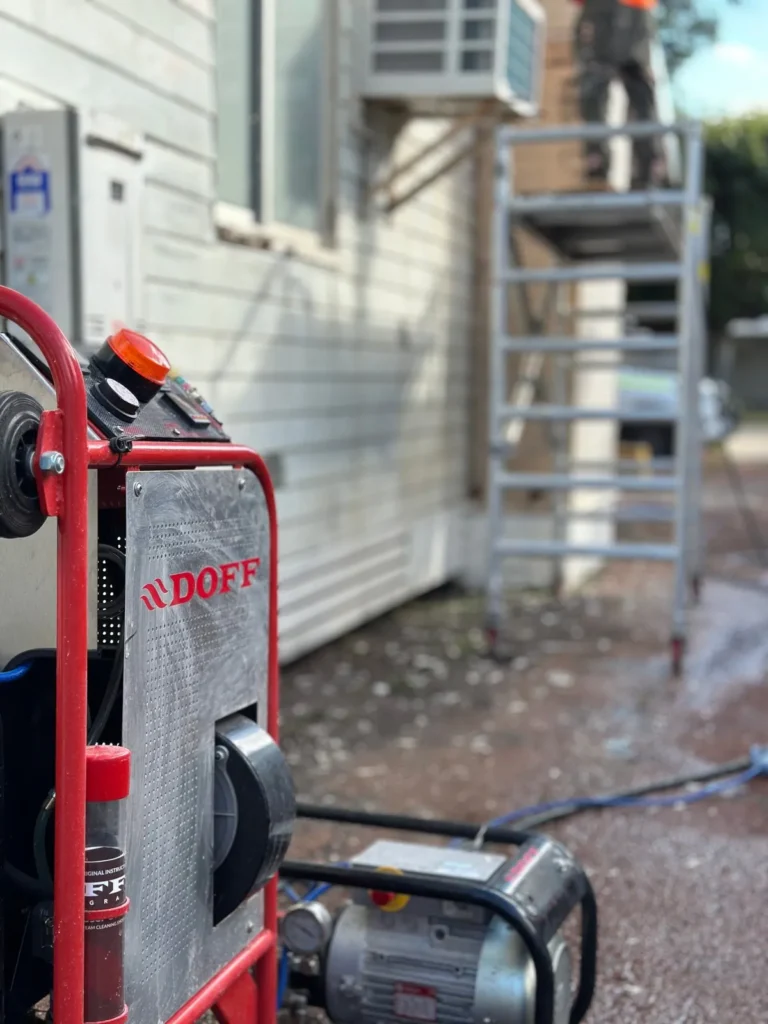
Understand the Moisture Before Treating the Wall
Salt damage, crumbling mortar, blistering paint and persistent damp are symptoms—not a diagnosis. In older brick, limestone and masonry buildings, moisture may rise through porous materials, enter through defective drainage or detailing, or remain trapped behind incompatible coatings.
Waterseal reviews the building history, visible deterioration, moisture distribution, salts and likely pathways before recommending treatment. The resulting scope may combine damp investigation, salt-affected material removal, compatible repair systems, improved moisture management and controlled heritage surface cleaning.
Work is planned around recognised Australian guidance for salt damp in heritage masonry, the condition of the substrate and the need to retain as much sound historic fabric as practical.
Heritage Building Services
Rising Damp Investigation
Rising Damp Investigation
Salt Attack Assessment
Salt Attack Assessment
Salt Damp Remediation
Salt Damp Remediation
Heritage Surface Cleaning
Heritage Surface Cleaning
Masonry & Render Diagnostics
Masonry & Render Diagnostics
Repair Scope Development
Repair Scope Development
Heritage Building Problems We Investigate
Recurring damp, salt crystallisation, fretting brickwork, damaged mortar, drummy render and peeling coatings can accelerate when the moisture pathway is misunderstood. Treating only the visible finish often traps moisture or allows the deterioration to return.
Waterseal develops the scope from the evidence: where moisture is moving, how salts are accumulating, which materials remain sound and what intervention is compatible with the existing building.
- Multiple layers of old paint
- Coatings obscuring heritage masonry
- Sensitive or friable substrates
- Uneven previous cleaning
- Contamination before repairs
- Surface salts and staining
- Access around occupied buildings
- Dust and waste containment
- Protection of adjoining finishes
- Uncertain achievable finish
Moisture, Salt & Substrate Assessment
Investigation may combine visual assessment, moisture profiling, thermal patterns, targeted sampling and review of drainage, ground levels, coatings and past repairs. The purpose is to distinguish rising damp and salt-related deterioration from plumbing leaks, rainwater entry, condensation and isolated waterproofing defects.
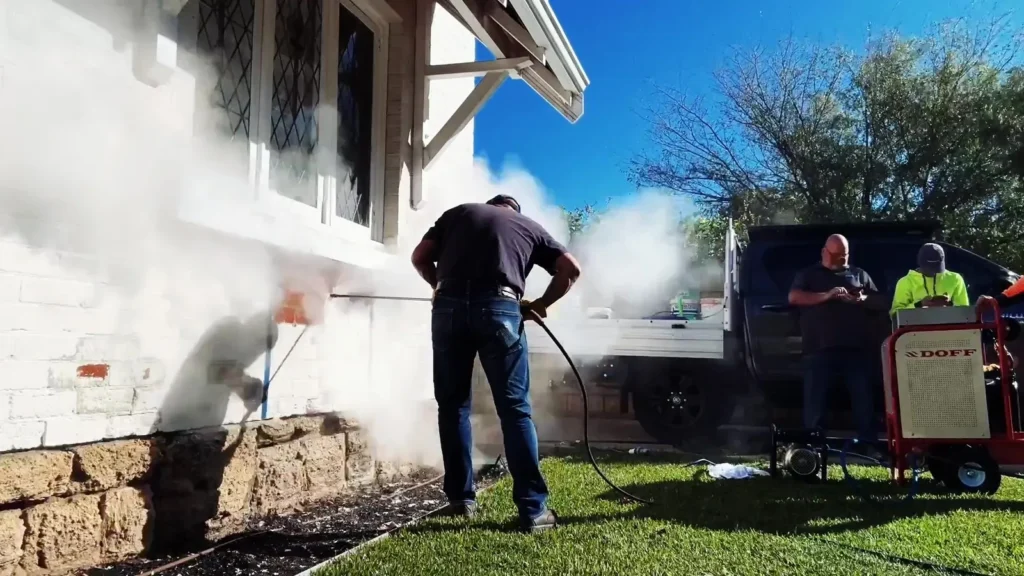
Where surface cleaning is required, trial areas help confirm the least aggressive practical method and the achievable finish before broader work proceeds.
- Representative trial areas
- Coating and substrate assessment
- Low-impact method selection
- Protection of adjacent finishes
- Dust and waste containment
- Controlled staged removal
- Finish and substrate verification
- Preparation for repairs or recoating
Our Heritage Building Process

Review Building History

Inspect & Map Moisture
Identify Likely Pathways
Develop the Treatment Scope

Deliver Controlled Works
Verify & Handover
See Controlled Heritage Surface Cleaning in Practice
Heritage & Remedial Experience Across Perth & WA
At St Christophers in Bicton, Waterseal waterproofed a concrete awning roof beside a heritage-listed stained-glass window.
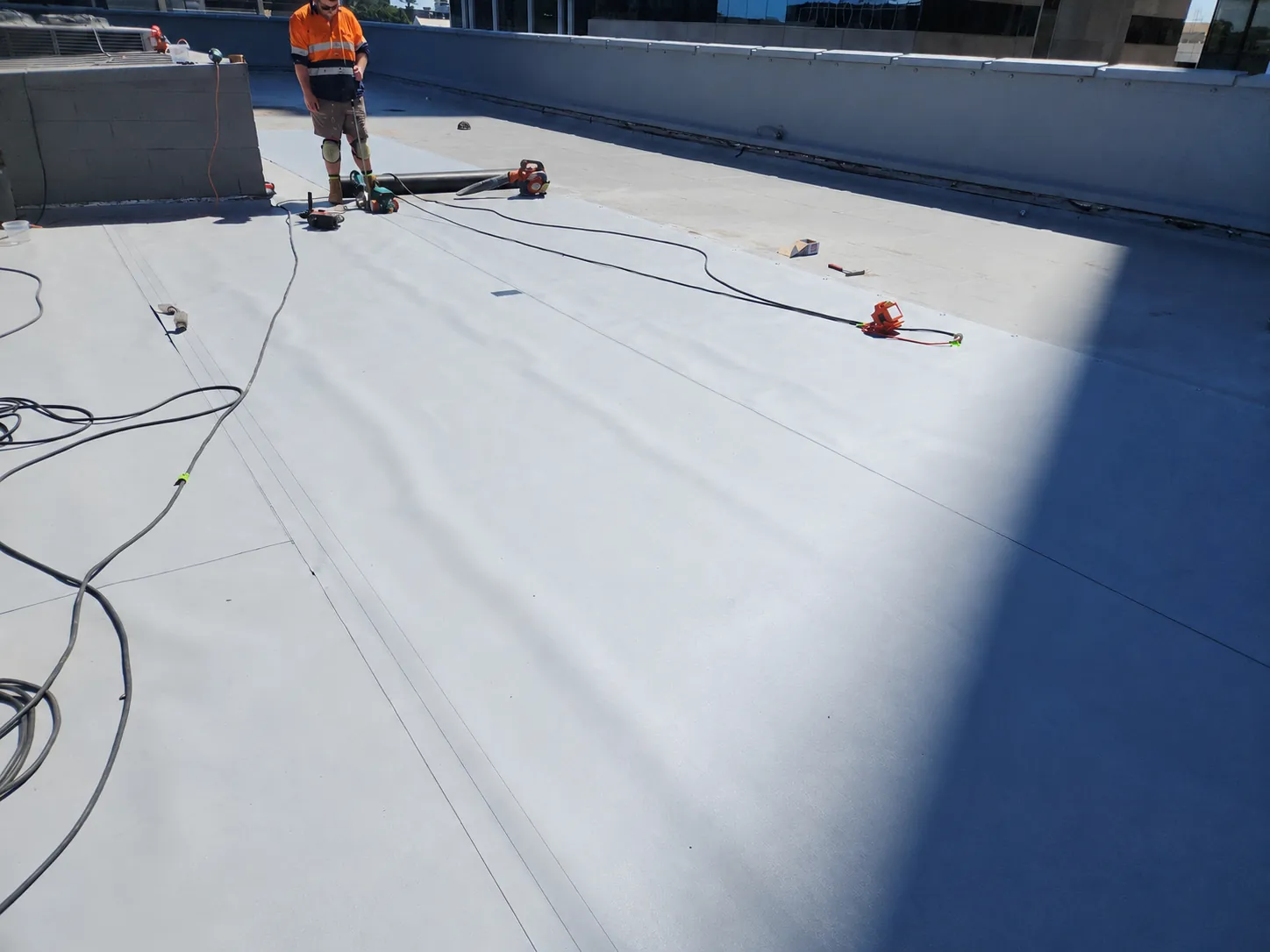
5 Mill Street, Perth
- Client
- Location
- Commercial property client
- Perth, WA
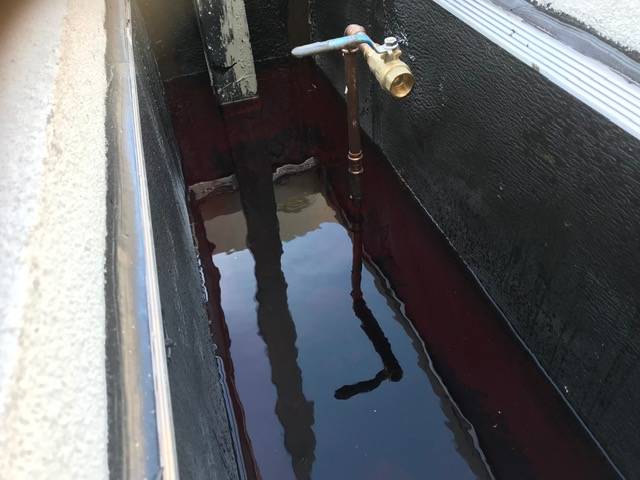
Purpose Built Student Accommodation – Stirling Street – Roof & Podium Planters
- Client
- Location
- Purpose-built student accommodation developer
- Perth, WA
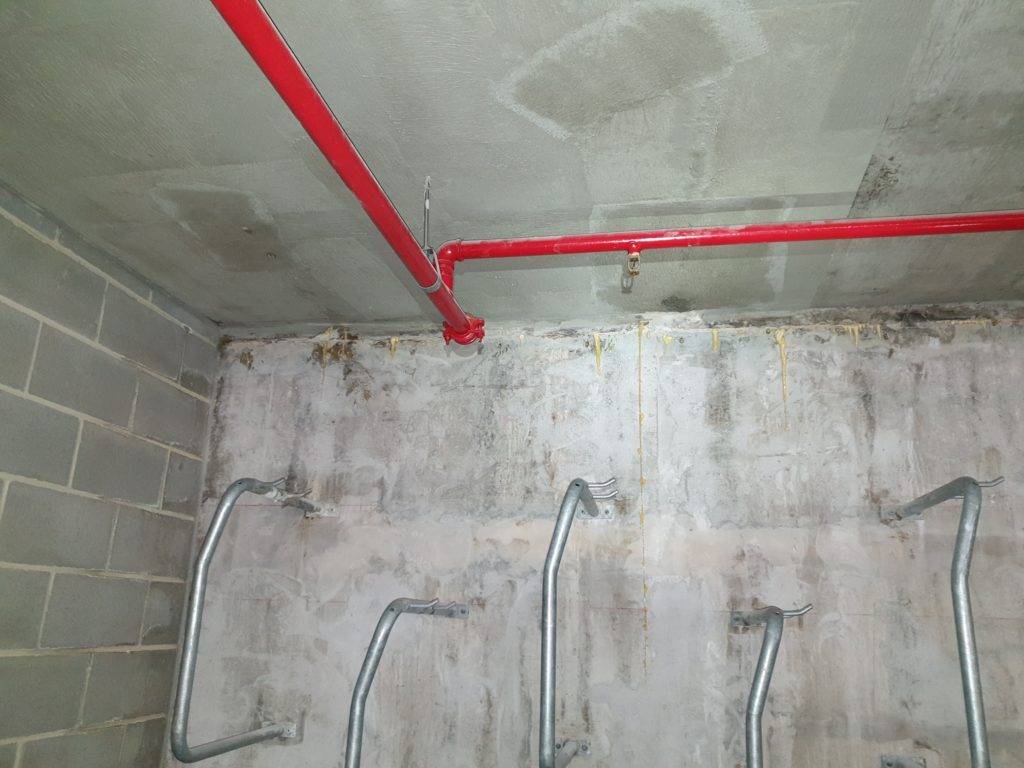
WAIS Remedial Works
- Client
- Location
- Western Australian Institute of Sport
- Perth, WA

Douro St West Perth
- Client
- Location
- Strata property client
- West Perth, WA
Where Heritage Building Services Are Used
Older Brick Buildings
Rising damp, salt attack and failed finishes in traditional masonry.
Limestone & Stone
Assessment and controlled treatment around porous and sensitive stone surfaces.
Heritage Facades
Coating removal, cleaning and compatible remedial preparation.
Churches & Institutions
Staged investigation and repair planning for occupied heritage assets.
Basements & Undercrofts
Moisture pathways and salt deterioration in below-ground heritage spaces.
Salt-Affected Walls
Mapping and treatment planning where salts are damaging masonry and finishes.
Render & Plaster
Investigation of recurring failure over damp or salt-contaminated backgrounds.
Conservation Projects
Evidence-led scopes coordinated with builders and heritage consultants.
Diagnose, Treat, Protect & Verify
Why Choose Waterseal for Heritage Buildings in Perth?
Masonry Experience
Practical experience with damp, salts, coatings and remedial work in older buildings.
Evidence-Led Investigation
Moisture distribution and likely pathways are assessed before treatment is defined.
Heritage-Aware Approach
Scopes are planned around recognised Australian guidance and retention of sound fabric.
Controlled Surface Cleaning
Trial-led cleaning methods selected to limit unnecessary substrate damage.
Coordinated Repair Scopes
Clear sequencing for builders, owners, consultants and conservation teams.
Perth Experience Since 1996
Local understanding of masonry, exposure and building conditions across Western Australia.
Heritage Buildings FAQs
Moisture moving through porous masonry can carry dissolved salts. As moisture evaporates, salts crystallise and can damage brick, stone, mortar, render and paint. Ground moisture is one cause, but drainage, rainwater entry, plumbing and incompatible finishes must also be considered.
Waterseal reviews the moisture pattern, salts, construction, ground levels, drainage and alternative sources. No single meter reading proves rising damp; the diagnosis is based on the combined evidence.
Painting over active moisture and salts commonly leads to blistering, flaking or renewed deterioration. The moisture pathway, salt-affected material and compatibility of the proposed finish should be addressed first.
Yes. Waterseal can provide investigation findings and a defined treatment scope for coordination with owners, builders, architects, engineers and heritage consultants.
Surface cleaning can form part of the scope where coatings, salts or contamination need to be removed. Trial areas are recommended to confirm the method and likely finish on sensitive substrates.
Send the property location, photographs, building history, previous repair details and any existing consultant reports. Waterseal can then advise whether an inspection and diagnostic assessment are required.